
PELVIC HEALTH LIBRARY
WORK OF ARTISTRY
Explore the art and science of pelvic health. Powered by The Colored Pelvis
FEATURED ARTICLE
BROWSE BY CATEGORY
What would you like to learn about?

LATEST FROM THE LIBRARY
Helpful Read, Straight from the experts

START HERE
New to Pelvic Health?
These foundational articles are a great place to begin, whether you’re just starting to explore symptoms or want to learn more about your pelvic health
-
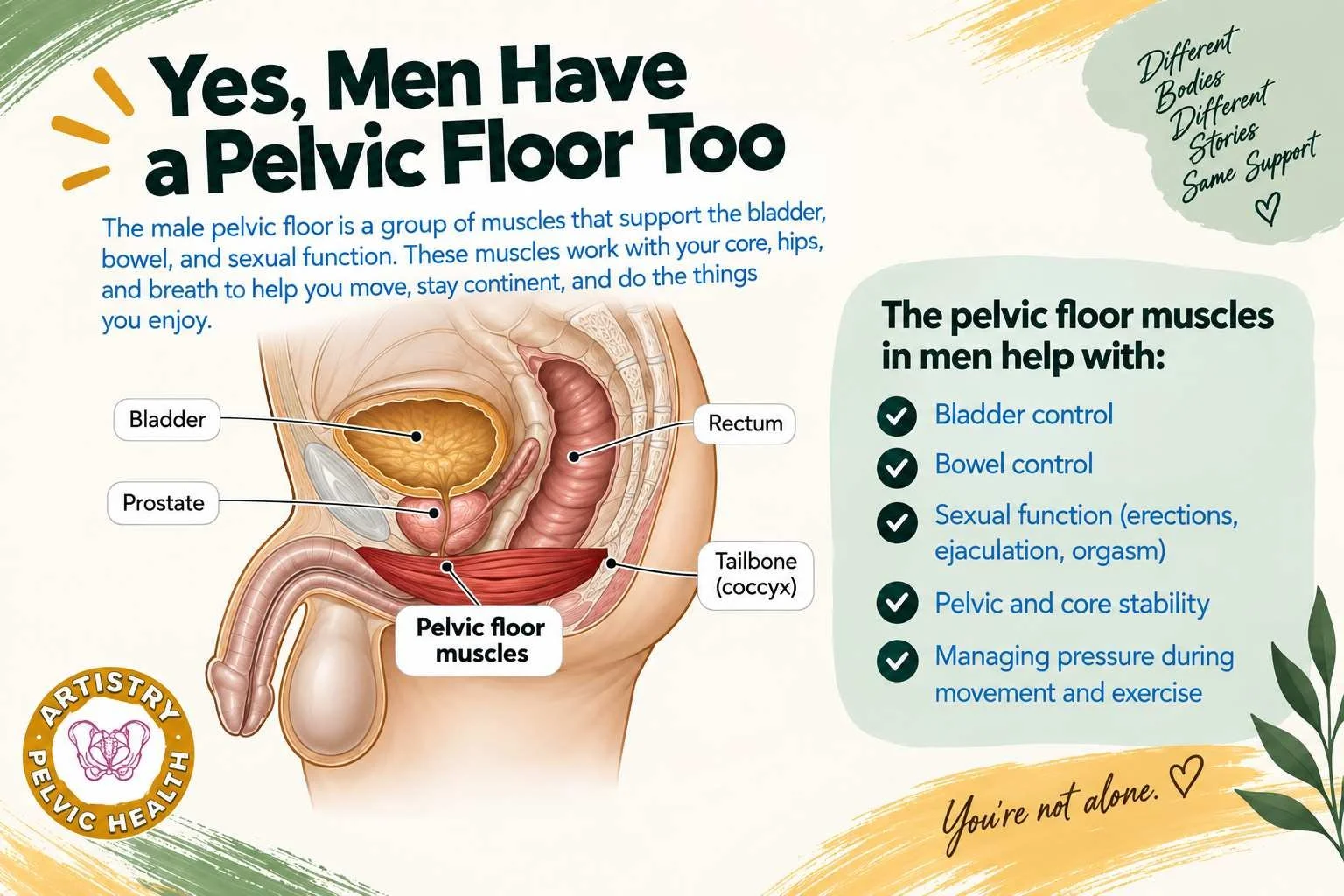
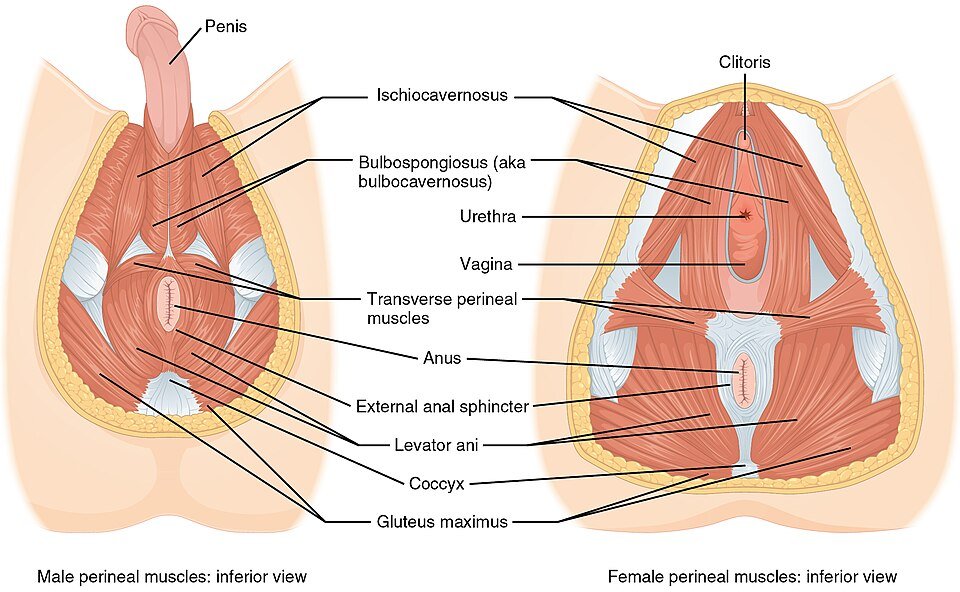
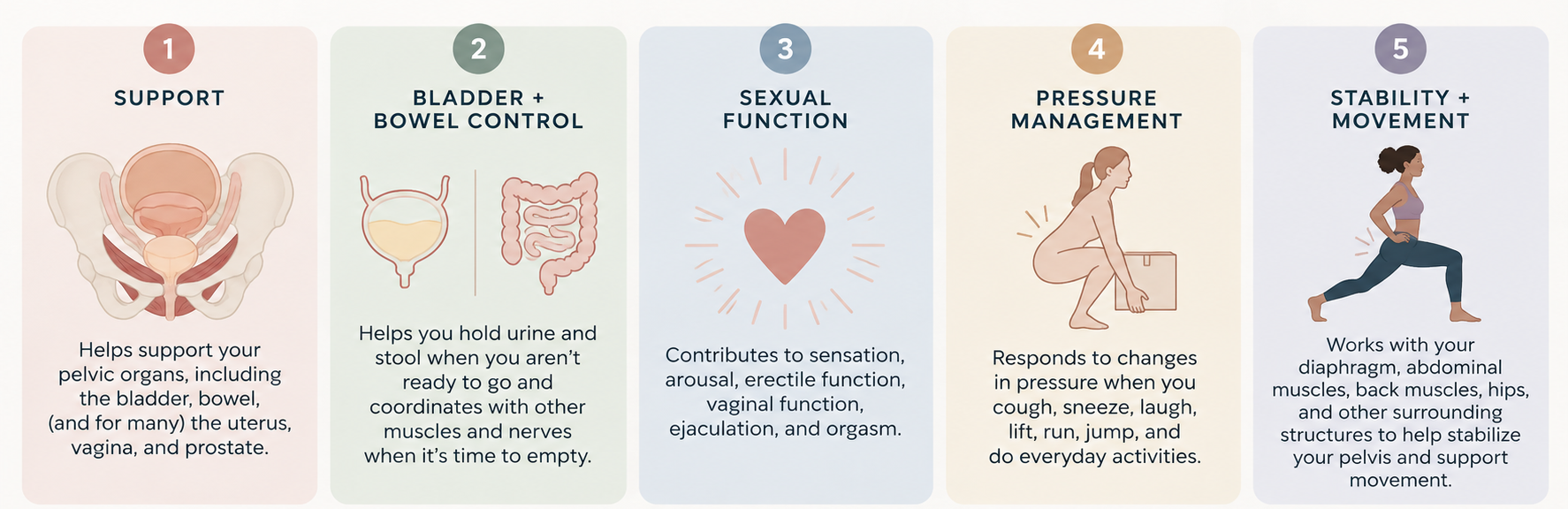
Your pelvic floor is a group of muscles and connective tissues that form the supportive base of your pelvis. It helps support your pelvic organs and plays an important role in bladder, bowel, sexual, and movement function. It also works together with your breathing, core, hips, back, and nervous system.
-
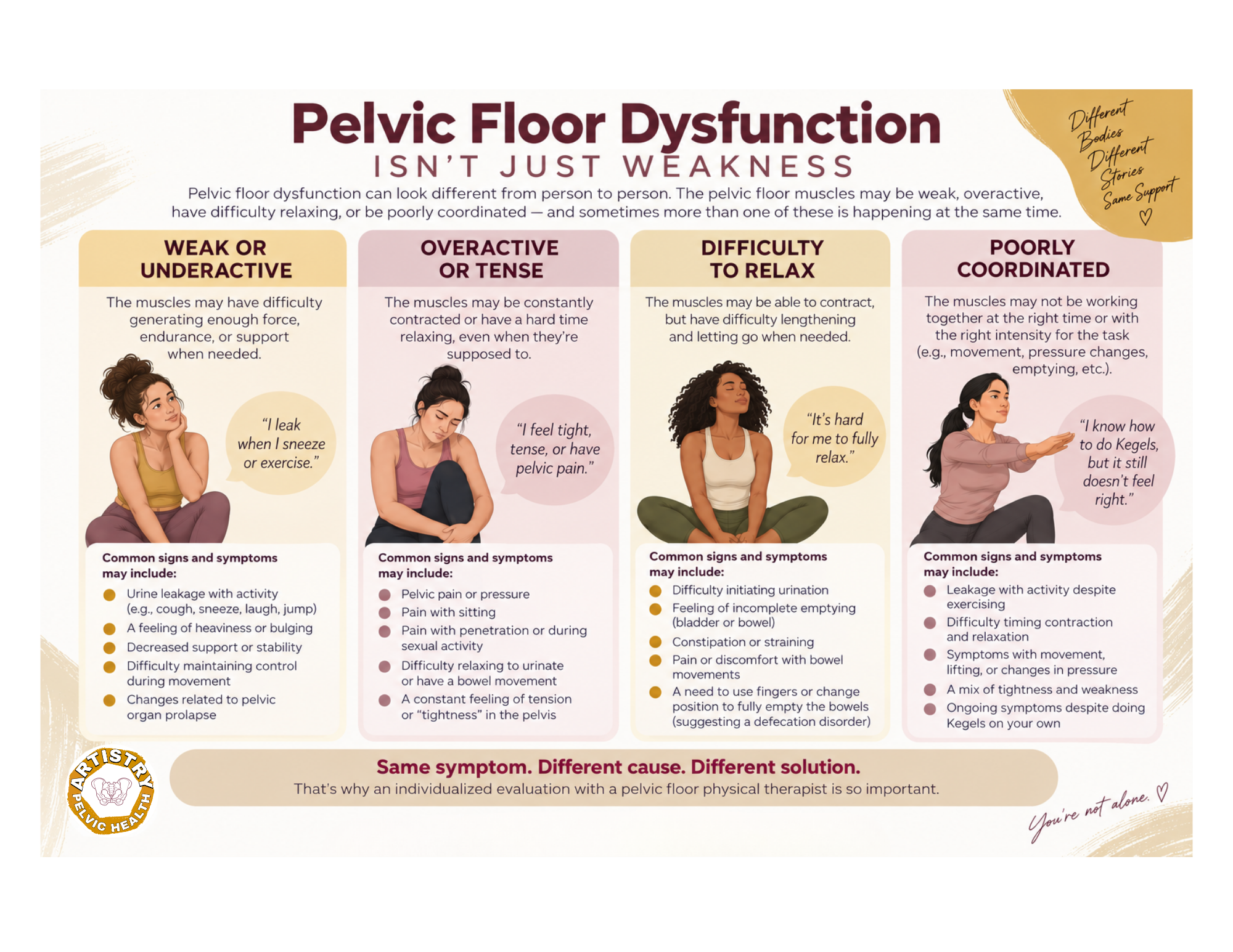
Pelvic floor concerns can show up as urine leakage, urinary urgency or frequency, difficulty emptying your bladder or bowels, constipation, pelvic pain, pain during sex, or other pelvic, hip, tailbone, or low back symptoms. These symptoms don't always mean your muscles are weak, sometimes they may be too tight, overworking, or poorly coordinated.
-
Common symptoms include bladder leakage or urgency, frequent urination, constipation, bowel leakage, difficulty emptying, pelvic pain, pain during sex, tailbone or hip pain, groin pain, and low back pain related to pelvic floor dysfunction.
-
Supporting your pelvic health starts with understanding what your body needs. Depending on your symptoms, this may include breathing exercises, stretching, strengthening, core and movement retraining, bladder and bowel education, manual therapy, home exercises, and nervous-system regulation strategies. A pelvic floor evaluation can help determine the right approach for you.
Learn what pelvic floor physical therapy is, who it helps, what happens during your first visit, and why it's about much more than Kegel exercises.