Meet Your Pelvic Floor: The Small Muscles That Do Big Jobs
Where the pelvic floor is, the five big jobs it does, and why these muscles move every time you breathe.
In our last article, we introduced pelvic floor physical therapy and how it can help with bladder problems, bowel concerns, pelvic pain, pregnancy, postpartum recovery, and more.
What exactly is the pelvic floor?
Many people have never heard of it until something starts hurting, leaking, or simply is not working the way it used to.
Let's change that.
By the end of this article, you'll understand where your pelvic floor is, what it does, and why these relatively small muscles can have such a big impact on your daily life.
First Things First...Where Is the Pelvic Floor?
Imagine your pelvis as a bowl.
Your pelvic floor forms the supportive bottom of that bowl, almost like a strong yet flexible hammock.
These muscles span the bottom of your pelvis, extending from the pubic bone in the front toward the tailbone in the back and attaching along the sides of the pelvis.
Rather than being one single muscle, the pelvic floor is a layered system of muscles and connective tissues. One of the major muscle groups is called the levator ani, which includes several individual muscles working together. The coccygeus muscles also contribute to the muscular pelvic floor.
Together, these structures form a supportive base underneath the organs inside your pelvis
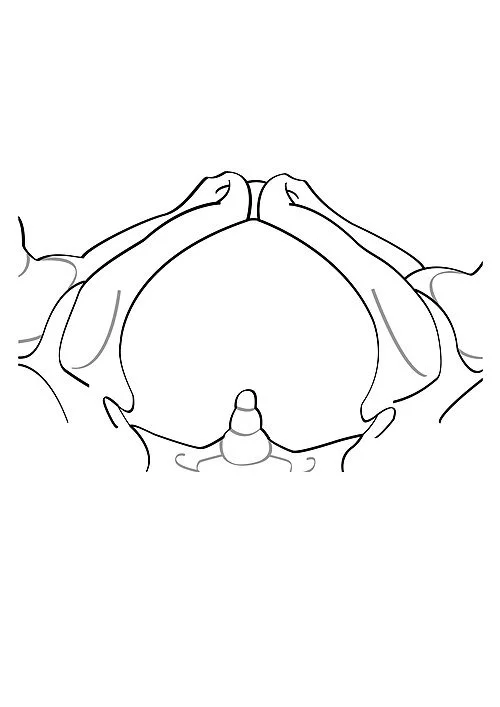
Image 1: Pelvic Diaphragm Anatomy
The pelvic floor forms a muscular base at the bottom of the pelvis, extending from the pubic region toward the tailbone and side walls of the pelvis.
What Does the Pelvic Floor Actually Do?
For a relatively small area of the body, the pelvic floor has a surprisingly long job description.
Think of it as a multitasking system that helps with several important functions.
1. It Supports Your Pelvic Organs
Your pelvic floor helps support the organs located within your pelvis.
Depending on your anatomy, these may include the:
Bladder
Rectum
Uterus and vagina
Prostate and other pelvic structures
Your pelvic floor works together with connective tissues and other supporting structures to help keep these organs supported as you stand, walk, exercise, cough, sneeze, lift, and move throughout the day.
2. It Helps Control Your Bladder and Bowels
Your pelvic floor is an important part of your continence system.
These muscles help you hold urine and stool when you are not ready to go and coordinate with other muscles and nerves when it is time to empty your bladder or bowels.
That means your pelvic floor needs to be able to do more than squeeze.
It also needs to know how to relax and coordinate at the right time.
This is one reason pelvic floor dysfunction is not always caused by weakness. Muscles that are too tense or poorly coordinated can also contribute to difficulty emptying the bladder or bowels.
3. It Contributes to Sexual Function
The pelvic floor also plays a role in sexual function.
These muscles contribute to sensation, arousal, erectile function, vaginal function, ejaculation, and orgasm.
Just like other muscles in the body, pelvic floor muscles that are painful, overly tense, weak, or poorly coordinated may affect how comfortable or pleasurable sexual activity feels.
4. It Helps Manage Pressure
Think about what happens when you cough, sneeze, laugh, lift something heavy, pick up your child, run, jump, exercise. Each of these activities changes the pressure inside your abdomen. Your pelvic floor works with the rest of your trunk to respond to these pressure changes while helping support your pelvic organs and maintain bladder and bowel control. A healthy pelvic floor is not simply strong. It needs to be able to respond appropriately to what your body is doing.
5. It Contributes to Stability and Movement
Your pelvic floor also contributes to the stability of your pelvis and trunk.
It works alongside your abdominal muscles, back muscles, diaphragm, hips, and other surrounding structures as you walk, bend, lift, exercise, and move throughout your day.
That's one reason pelvic floor physical therapy often involves much more than exercises for the pelvic floor itself.
Image 2: Visual summary: five important jobs of the pelvic floor - support, bladder and bowel control, sexual function, pressure management, and stability and movement.
The Pelvic Floor Is Part of Your Core
Many people think of their “core” as their abdominal muscles. But your functional core is much more than your six-pack muscles.
Your pelvic floor works closely with several important muscle groups around your trunk, including your:
Diaphragm - your primary breathing muscle
Deep abdominal muscles
Deep back and spinal muscles
Pelvic floor
You can imagine these structures working together somewhat like a canister.
The diaphragm sits toward the top, the pelvic floor forms the bottom, and the abdominal and spinal muscles surround the trunk.
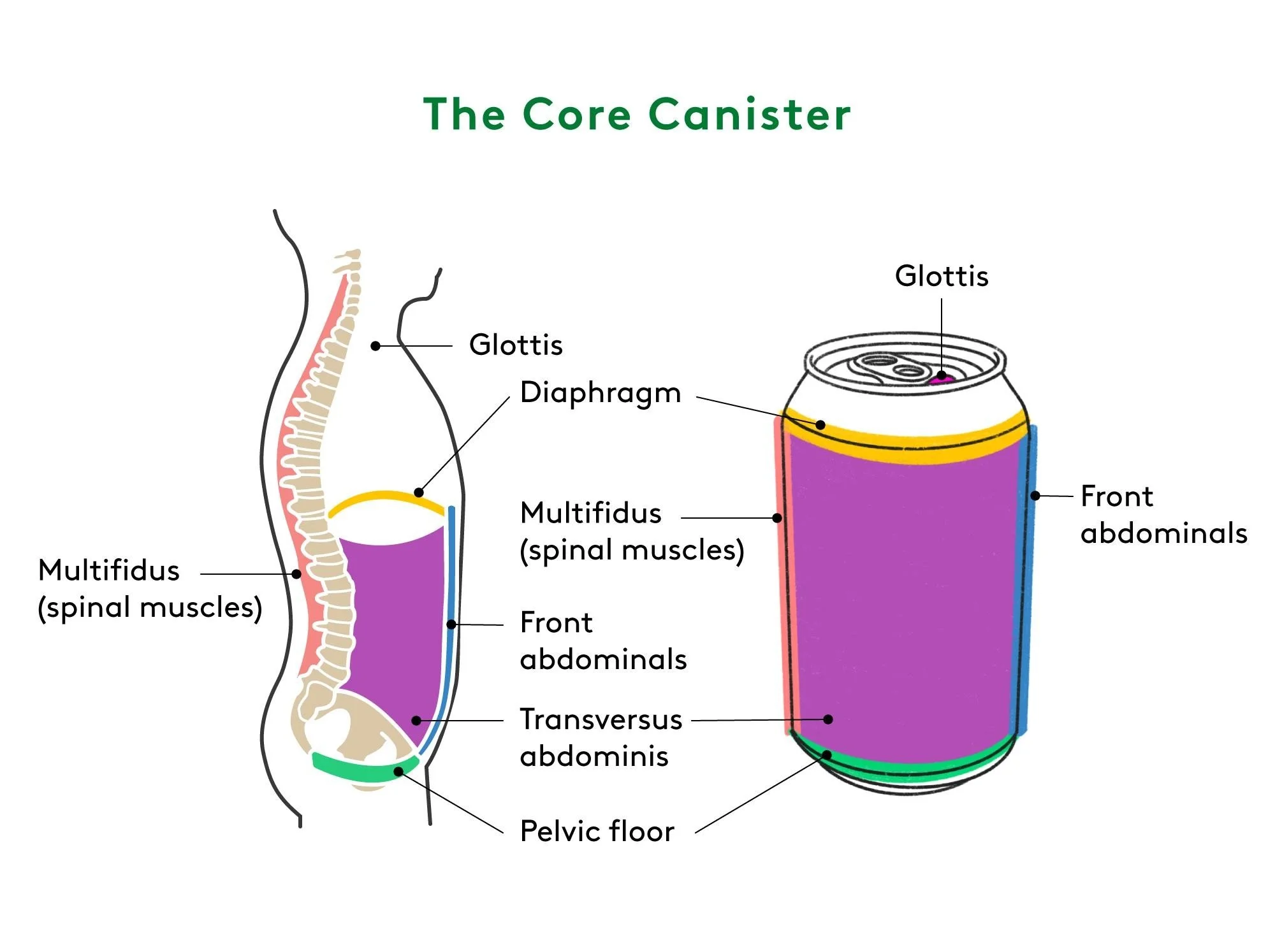
Image 3: How the pelvic floor work with other important muscle groups around your trunk
Your Pelvic Floor Moves When You Breathe
Here's something many people don't realize:
Your pelvic floor moves with your breath.
Inhale
The diaphragm contracts and moves down as your lungs fill. At the same time, the pelvic floor generally lengthens and moves slightly downward.
Exhale
The diaphragm relaxes and rises, and the pelvic floor generally recoils upward with it, aiding exhalation and core stability.
Think of them as two parts of the same pressure-management system.
INHALE: Diaphragm down | Pelvic floor down
EXHALE: Diaphragm up | Pelvic floor up
This relationship is one reason breathing is often an important part of pelvic floor rehabilitation.
Your breathing, abdominal muscles, pelvic floor, and movement strategies all influence how pressure moves through your trunk.
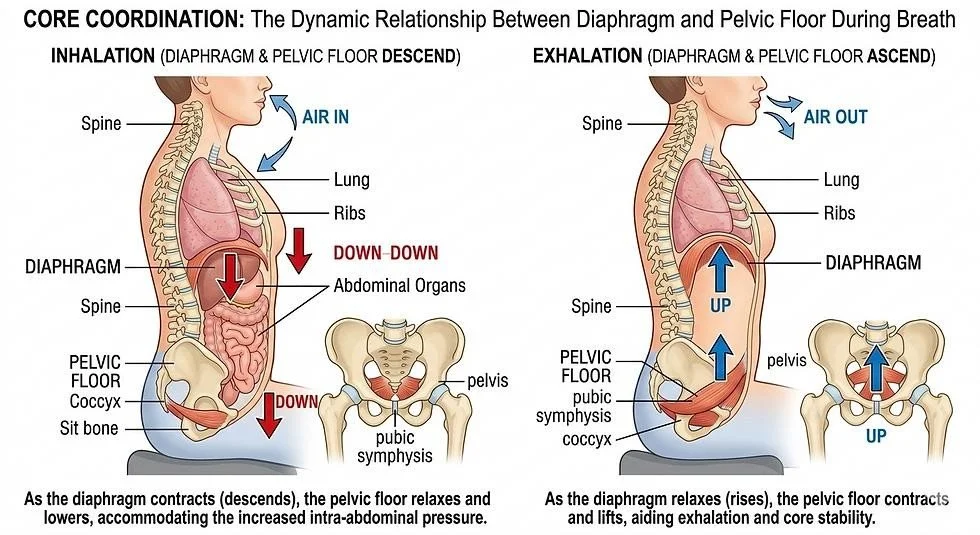
Image 4: Relationship between the diaphragm and pelvic floor during breath (Inhalation & Exhalation)
Your Pelvic Floor Isn't Supposed to Be Tight All the Time
Another common misconception is that a “good” pelvic floor should always be tight.
It should not. Healthy muscles need options.
Your pelvic floor needs to be able to:
Sometimes it needs to contract quickly, such as when you cough or sneeze.
Sometimes it needs to relax and lengthen, such as when you urinate or have a bowel movement.
And sometimes it needs to make small, automatic adjustments while you breathe, walk, lift, exercise, or change positions.
That's why doing more Kegels isn't automatically the answer to every pelvic floor problem.
What Happens When the Pelvic Floor Isn't Working Well?
Pelvic floor dysfunction can happen when the muscles or surrounding systems are not functioning or coordinating effectively.
The muscles may be:
Too tense
Too weak
Overworking
Underactive
Painful
Poorly coordinated
Having difficulty relaxing
Depending on what is happening, symptoms may include:
Urine leakage
Urinary urgency or frequency
Constipation
Difficulty emptying your bladder or bowels
Pelvic heaviness or pressure
Pelvic pain
Pain during sexual activity
Tailbone, hip, or low back symptoms
Difficulty returning to exercise or other activities
Two people can have the same symptom for completely different reasons.
For example, urine leakage does not automatically mean your pelvic floor is weak. Your muscles may have difficulty coordinating with pressure, responding quickly enough, or working effectively with the rest of your body.
That's why understanding what's happening in your body matters.
An easy way to remember some of the areas pelvic health can affect is the “5 Ps”: peeing, pooping, pleasure/penetration, pregnancy, and pain.
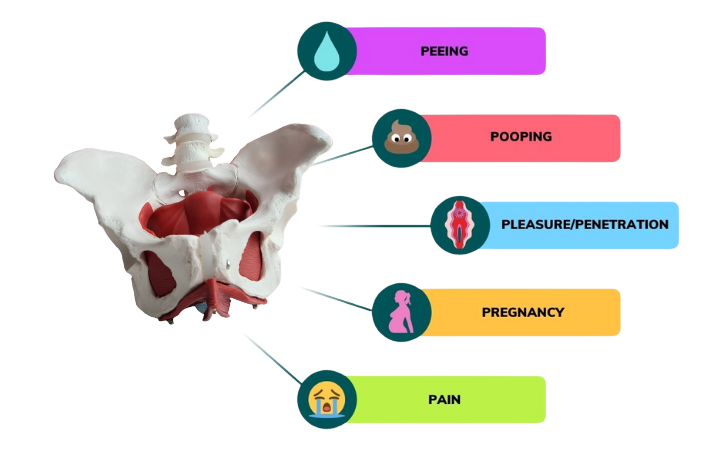
Image 5: Pelvic floor 5 Ps
Your pelvic floor isn't simply a muscle you squeeze. It's a dynamic muscular and connective-tissue system, and like every other muscle system in your body, it needs mobility, coordination, timing, endurance, and the ability to relax.
Not sure whether what you're feeling counts? What Is Pelvic Floor Dysfunction? Signs, Symptoms & When to Get Help
-
1. Bharucha AE. Pelvic floor: anatomy and function. Neurogastroenterology & Motility. 2006;18(7):507-519. doi:10.1111/j.1365-2982.2006.00803.x.
2. Muro S, Akita K. Pelvic floor and perineal muscles: a dynamic coordination between skeletal and smooth muscles on pelvic floor stabilization. Anatomical Science International. 2023;98(3):407-425. doi:10.1007/s12565-023-00717-7.
3. Roch M, Gaudreault N, Cyr MP, et al. The female pelvic floor fascia anatomy: a systematic search and review. Life. 2021;11(9):900.
4. Faucher S, Dery-Rouleau G, Bardin M, Morin M. Investigating the role of the pelvic floor muscles in sexual function and sexual response: a systematic review and meta-analysis. Journal of Sexual Medicine. 2024;21(3):217-239. doi:10.1093/jsxmed/qdad175.
5. Bø K, Berghmans B, Mørkved S, Van Kampen M. Evidence-Based Physical Therapy for the Pelvic Floor. Elsevier.
6. OpenStax. Anatomy & Physiology. Axial Muscles of the Abdominal Wall and Thorax: Muscles of the Pelvic Floor and Perineum.
7. Talasz H, Kofler M, Kalchschmid E, Pretterklieber M, Lechleitner M. Breathing with the pelvic floor? Correlation of pelvic floor muscle function and expiratory flows in healthy young nulliparous women. International Urogynecology Journal. 2010;21:475-481.
8. Hodges PW, Sapsford R, Pengel LHM. Postural and respiratory functions of the pelvic floor muscles. Neurourology and Urodynamics. 2007;26(3):362-371.
-
Image 1:
Pelvic diaphragm, Athikhun.suw, CC BY-SA 4.0. Used unmodified.
source/download pageImage 2:
Five Functions InfographicProvided by Artistry Pelvic Health / created for this blog workflow.
Image 3:
The Core Canister, How the pelvic floor work with other important muscle groups around your trunk
Provided by Artistry Pelvic Health / created for this blog workflow.
Image 4:
Relationship between the diaphragm and pelvic floor during breath (Inhalation & Exhalation)
Provided by Artistry Pelvic Health / created for this blog workflow.
Image 5:
The 5 Ps
Provided by Artistry Pelvic Health / created for this blog workflow.
Wondering whether pelvic floor PT is right for you?
Book a free discovery call with Dr. Ciara - no pressure, no commitment, just answers.