
Quality treatment for all of your pelvic problems
What we treat
It is our pleasure to offer you treatment for all the following pelvic health issues.
Bladder Dysfunctions
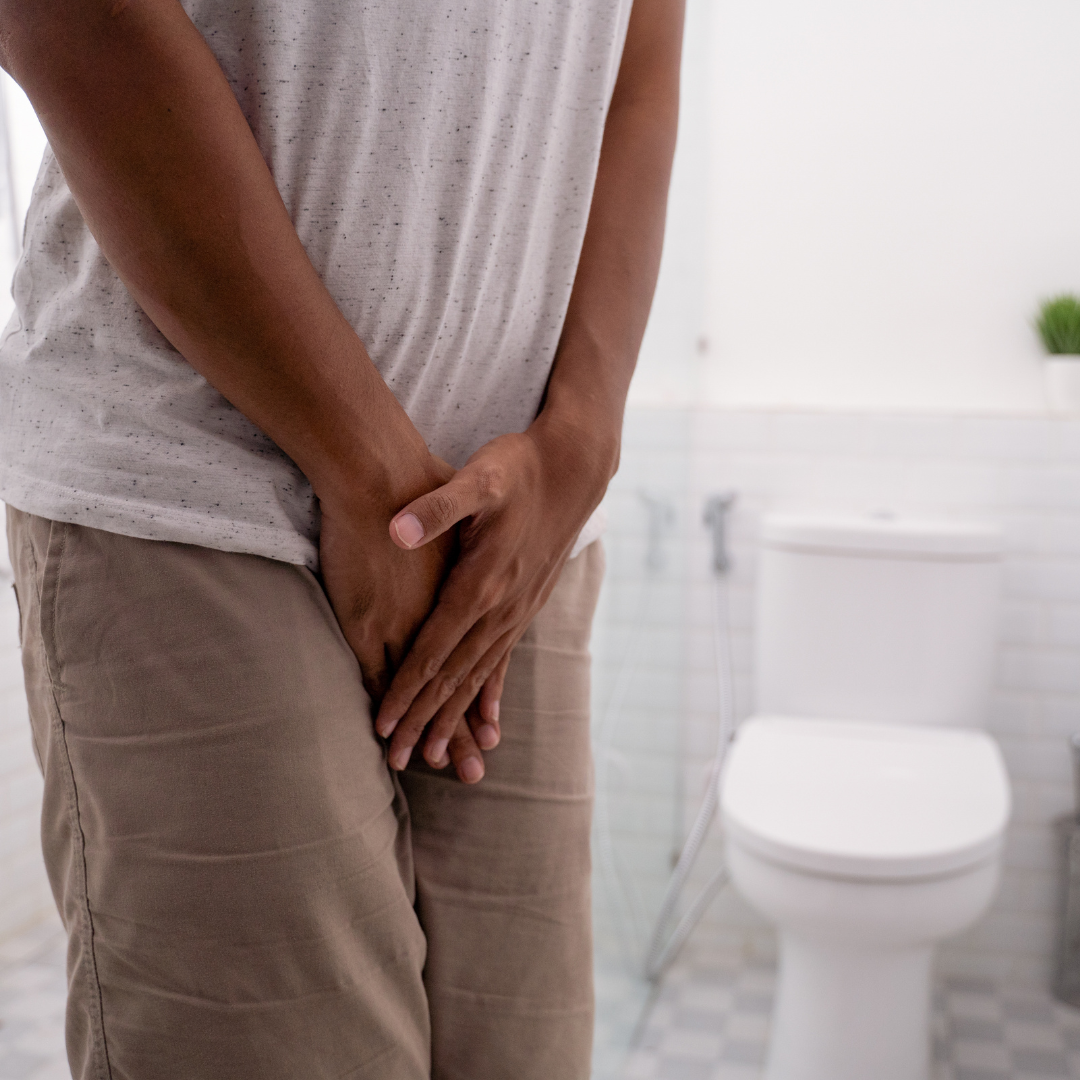
Research supports pelvic floor physical therapy as a first-line conservative treatment for many bladder symptoms, including urinary leakage, urgency, frequency, retention, pelvic organ prolapse, and post-prostatectomy concerns.
Bladder symptoms can be exhausting, unpredictable, embarrassing, and disruptive to daily life. Many people find themselves constantly searching for bathrooms, avoiding activities they love, wearing pads “just in case,” or feeling dismissed after being told their symptoms are simply a normal part of aging, childbirth, or surgery. We take the time to understand the full picture contributing to your symptoms and help you restore better bladder control, pelvic support, confidence, and quality of life.
What we treat
Urinary incontinence
Bladder pelvic organ prolapse (cystocele)
Bladder/urinary retention
Painful bladder syndrome (interstitial cystitis)
Overactive bladder (OAB)
Persistent UTI-like symptoms
Prostatectomy
Bowel Dysfunctions
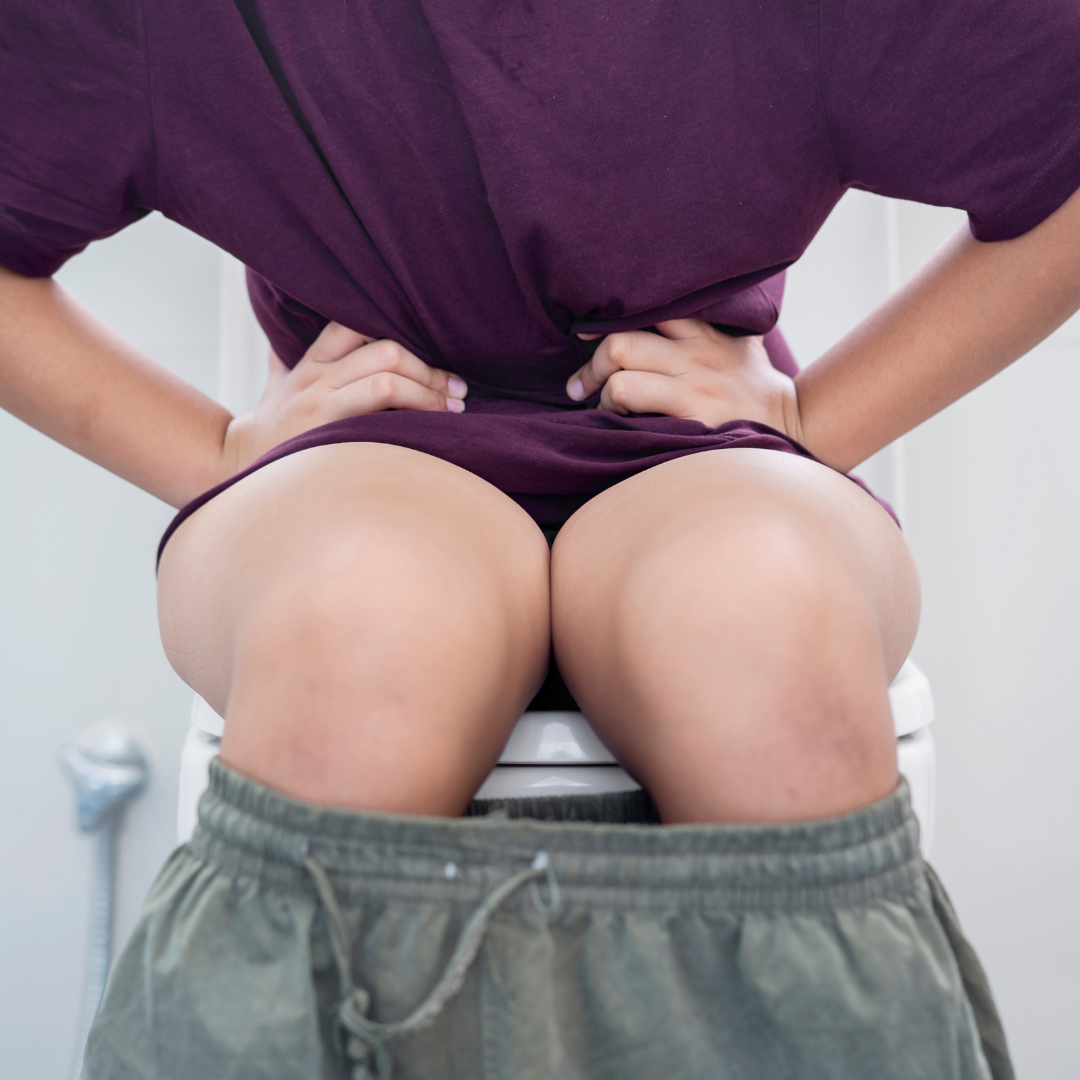
Pelvic floor therapy is well-supported for improving bowel coordination, constipation, incomplete emptying, fecal leakage, painful defecation, and symptoms related to rectocele or pelvic floor dysfunction.
Bowel dysfunction is incredibly common, yet rarely talked about openly. Many individuals silently struggle with constipation, straining, incomplete emptying, painful bowel movements, or fear and anxiety around urgency or leakage. Our goal is to help you better understand your bowel mechanics, reduce strain on your body, improve coordination and mobility, and create more comfortable, consistent, and confident bowel function.
What we treat
Dyssynergic defecation
Chronic constipation
Fecal/anal incontinence
Rectal pelvic organ prolapse (rectocele)
Painful defecation (dyschezia) and hemorrhoid management
Pelvic Pain Conditions

Research supports pelvic floor physical therapy as an important part of care for pelvic pain conditions by addressing muscle tension, nerve sensitivity, movement restrictions, scar tissue, pressure management, and nervous system regulation.
Living with pelvic pain can affect every part of life - movement, exercise, work, sleep, relationships, intimacy, and emotional wellbeing. Many people with pelvic pain have spent years searching for answers while feeling misunderstood or discouraged. We recognize that pelvic pain is complex and deeply personal. Our approach focuses on helping you feel safe in your body again while improving mobility, reducing sensitivity and tension, and restoring function step-by-step.
What we treat
Vestibulodynia
Vulvodynia
Vaginismus
Endometriosis/adenomyosis
Polycystic ovarian syndrome (PCOS)
Pudendal Neuralgia
Levator Ani Syndrome
Fibroid pain management
Dysmenorrhea and severe period pain management
Abdominal and groin pain
Tailbone pain (coccydynia) and pain with sitting
Sexual Dysfunctions

Evidence supports pelvic floor physical therapy for sexual dysfunction related to pain, pelvic floor tension, coordination deficits, hormonal changes, post-surgical changes, and nervous system sensitivity.
Sexual health concerns can feel vulnerable and difficult to talk about, but they are far more common than many people realize. Whether you are experiencing pain, changes in sensation, difficulty with arousal or orgasm, or frustration with changes in intimacy, you deserve care that approaches these concerns with sensitivity, respect, and clinical understanding. We provide a supportive environment where these conversations are normalized and addressed with compassion and evidence-based care.
What we treat
Painful Sex (Dyspareunia)
Pain during or after orgasm (Dysorgasmia)
Reduced or absent sexual desire
Persistent genital arousal disorder (PGAD)
Sexual changes in menopause
Premature ejaculation
Erectile dysfunction
Hard flaccid syndrome
Pregnancy and Postpartum

Research supports pelvic floor physical therapy throughout pregnancy and postpartum to reduce pain, improve mobility, support core and pelvic floor recovery, prepare for birth, and guide a safe return to movement and exercise.
Pregnancy and postpartum recovery place significant physical demands on the body, yet many individuals are expected to simply “bounce back” without proper support or guidance. Whether you are preparing for birth, navigating pain during pregnancy, recovering from delivery, or trying to reconnect with your body postpartum, we are here to help support your healing, movement, strength, and confidence through every stage of the process.
What we treat
Sacroiliac joint (SIJ) dysfunction and pain
Symphysis Pubis dysfunction (SPD)
Low back pain
Hip pain
Abdominal separation (Diastasis Recti)
Pelvic organ prolapse
Birth trauma dysfunctions
Cesarian section recovery
Postpartum core and pelvic floor weakness
Postpartum return to athleticism
Birth preparation
Proactive pregnancy movement management
Pregnancy and Postpartum
Research supports pelvic floor physical therapy throughout pregnancy and postpartum to reduce pain, improve mobility, support core and pelvic floor recovery, prepare for birth, and guide a safe return to movement and exercise.
Pregnancy and postpartum recovery place significant physical demands on the body, yet many individuals are expected to simply “bounce back” without proper support or guidance. Whether you are preparing for birth, navigating pain during pregnancy, recovering from delivery, or trying to reconnect with your body postpartum, we are here to help support your healing, movement, strength, and confidence through every stage of the process.
What we treat
Sacroiliac joint (SIJ) dysfunction and pain
Symphysis Pubis dysfunction (SPD)
Low back pain
Hip pain
Abdominal separation (Diastasis Recti)
Pelvic organ prolapse
Birth trauma dysfunctions
Cesarian section recovery
Postpartum core and pelvic floor weakness
Postpartum return to athleticism
Birth preparation
Proactive pregnancy movement management
Pre and Post-Operative Care
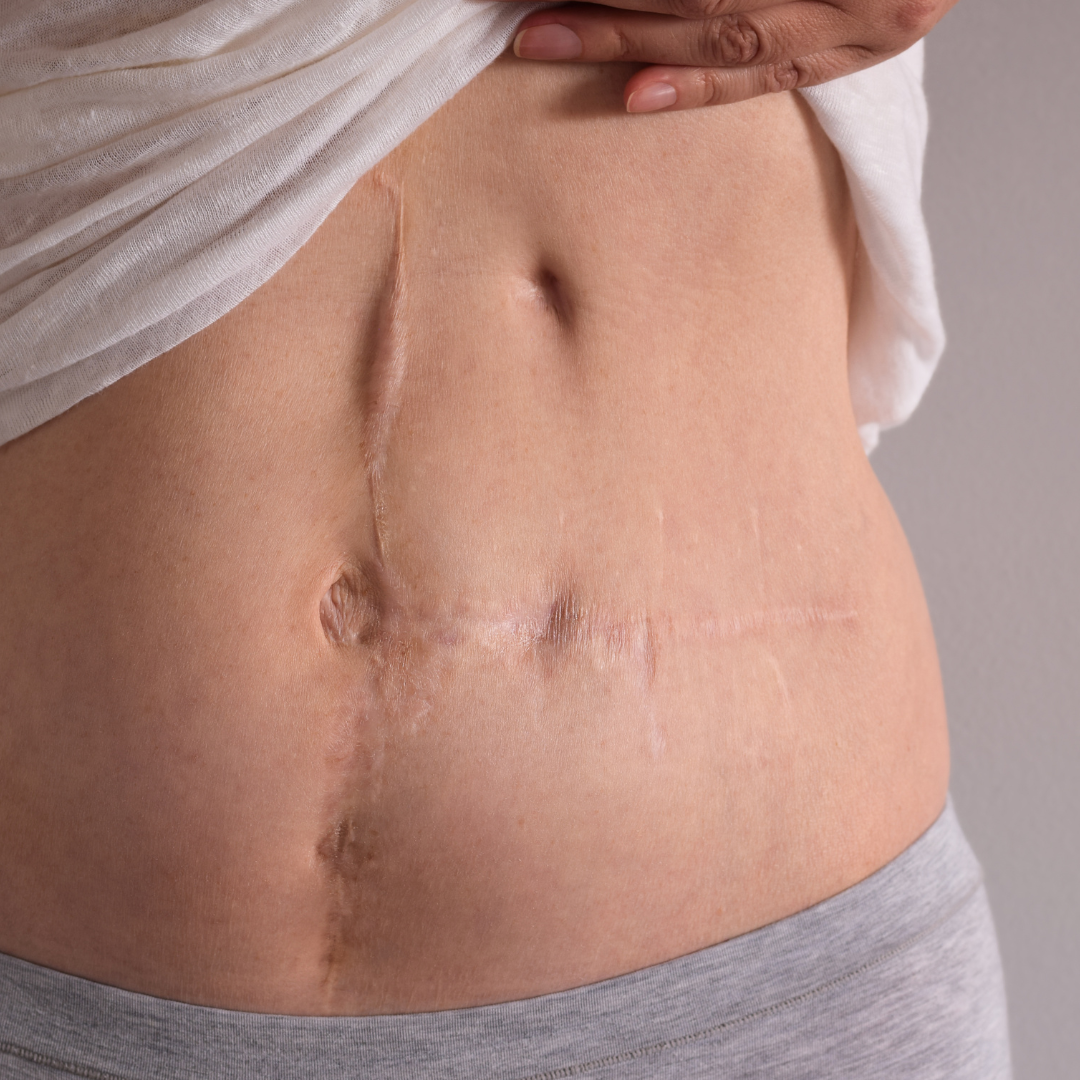
Pelvic floor physical therapy is supported before and after pelvic, abdominal, gender-affirming, and reproductive surgeries to optimize tissue mobility, reduce pain, restore strength and coordination, and support long-term recovery.
Preparing for or recovering from surgery can feel physically and emotionally overwhelming. Many individuals are left without clear guidance on how to safely support healing, mobility, scar tissue management, or return to daily activities afterward. Our goal is to help you feel informed, supported, and empowered throughout the surgical recovery process while helping your body heal as efficiently and comfortably as possible.
What we treat
Hysterectomy
Prostatectomy
Endometriosis ablation or excision
Cyst and fibroid removal
Cesarian section recovery
Abdominal surgery
Myomectomy
Scar tissue mobilization
Superficial and deep abdominal scar tissue management
Gender affirming operations
Ready to get the help you need?
Not ready for pelvic PT yet? No problem.
Read the blog, download a free guide, watch a patient story, or join the email list. Stay connected until the timing feels right for you.