What Is Pelvic Floor Physical Therapy? A Beginner's Guide
It's about much more than Kegels. A plain-language introduction to what pelvic floor PT is, who it helps, and what treatment actually looks like.
Have you ever...
Crossed your legs because you suddenly had to pee?
Leaked urine when you laughed, sneezed, or exercised?
Felt pain during intimacy?
Struggled with constipation?
Experienced persistent hip, low back, tailbone, or pelvic pain?
Been told your symptoms were "just part of getting older" or "normal after having kids"?
If you answered yes to any of these questions, you're not alone.
Millions of people experience pelvic floor symptoms, yet many suffer in silence because they don't realize help exists—or they don't know what pelvic floor physical therapy actually is.
The truth is, pelvic floor physical therapy is about much more than Kegel exercises. It's a specialized form of physical therapy that helps people improve bladder, bowel, sexual, and pelvic health while reducing pain and restoring confidence in everyday life.
Am I the Only One With These Problems?
Pelvic floor problems are much more common than most people realize. Many people delay seeking treatment because they feel embarrassed or assume their symptoms are simply part of life.
Some people are told:
“That's just what happens after having a baby.”
“You're getting older.”
“Drink less water.”
“Wear a pad.”
“Your tests are normal.”
While these symptoms are common, they are not necessarily normal, and many people improve with the right treatment. You don't have to simply “live with it.”
So… What Is Pelvic Floor Physical Therapy?
Pelvic floor physical therapy is a specialized type of physical therapy focused on the muscles, joints, nerves, connective tissues, and movement patterns that affect your bladder, bowels, pelvis, core, hips, low back, and sexual function.
Imagine Your Pelvis as a Bowl
Your pelvic floor forms the supportive bottom of that bowl, almost like a strong yet flexible hammock.
The pelvic floor includes a group of muscles and connective tissues that span the bottom of the pelvis. These structures help support the organs inside your pelvis and contribute to bladder, bowel, sexual, and movement function.
And your pelvic floor doesn't work alone. It coordinates with your breathing, abdominal muscles, back, hips, and nervous system as you move through everyday life. Want the full anatomy tour? Meet your pelvic floor: the small muscles that do big jobs.
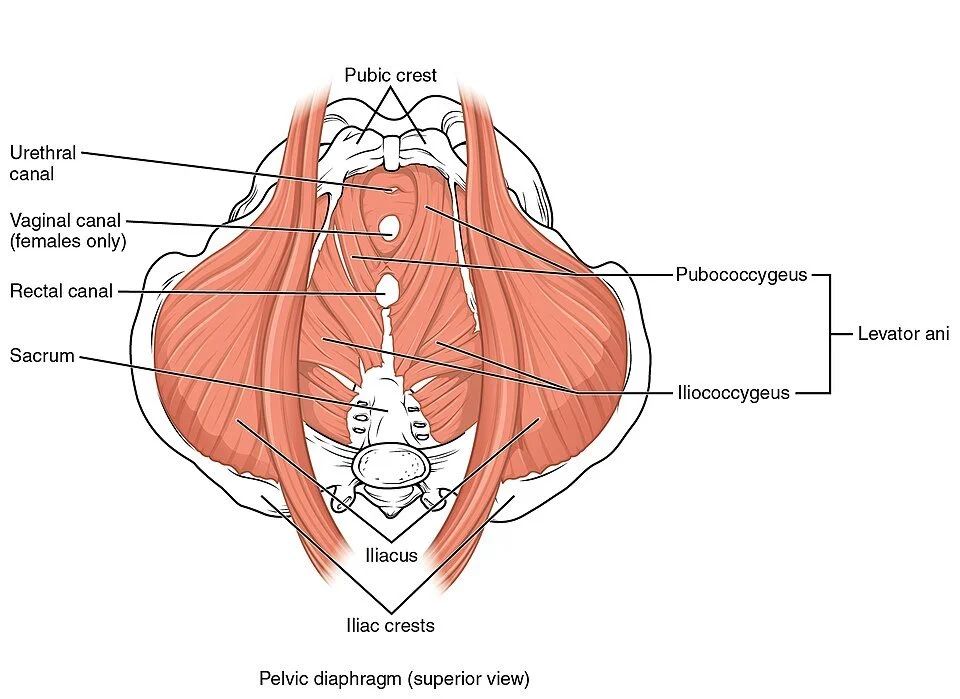
Image 1: Pelvic Floor Muscles Anatomy
“The pelvic floor is a group of muscles that forms the supportive base of the pelvis. These muscles help support the pelvic organs and contribute to bladder, bowel, sexual, and movement function.”
A pelvic floor physical therapist looks beyond the symptoms to understand why they are happening.
Instead of simply treating pain or leakage, we look at how your entire body works together.
That means evaluating things like:
Breathing
Posture
Movement
Core coordination
Hip mobility
Scar tissue
Muscle tension
Strength
Nervous system function
Daily habits
Because often, the pelvis is only one piece of the puzzle.
KEY TAKEAWAY: Pelvic floor physical therapy treats the whole person, not just the pelvis
Why Have I Never Heard of It?
Although pelvic floor physical therapy has been around for decades, many people are never told it exists.
Pelvic health has historically been under-discussed, even within healthcare. Many people don't seek treatment until symptoms become severe because they assume they have no other options.
Fortunately, awareness is growing, and more people are discovering that conservative treatment can often make a meaningful difference.
Who Can Benefit?
Pelvic floor physical therapy isn't just for women who recently had a baby. Everyone has a pelvic floor, and people of all genders and all ages can benefit.
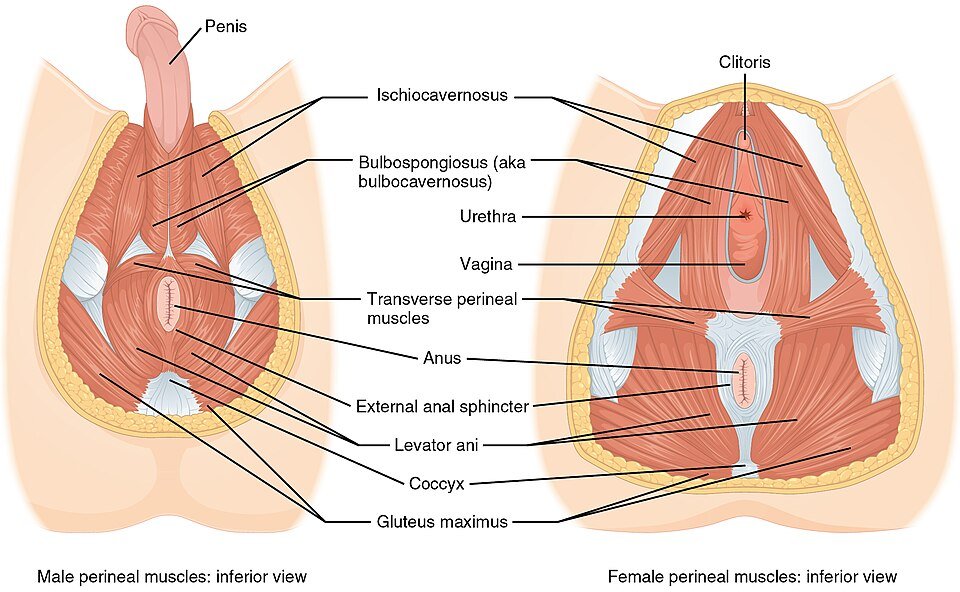
Image 2: Male and Female Pelvic Floor Anatomy
Everyone has a pelvic floor. Although pelvic anatomy differs between individuals, pelvic-floor muscles contribute to bladder, bowel, sexual, and movement function across sexes.”
Pelvic floor physical therapy may help people experiencing:
Bladder Problems : Urine leakage, frequent urination, strong urinary urgency, overactive bladder, difficulty emptying the bladder, pain with urination
Bowel Problems: Constipation, difficulty emptying, fecal leakage, pain with bowel movements
Pain: Pelvic pain, pain during sex, tailbone pain, hip pain, groin pain, lower abdominal pain, low back pain related to pelvic floor dysfunction
Pregnancy & Postpartum: Pelvic girdle pain, C-section recovery, diastasis recti, birth recovery, return to exercise
Men's Pelvic Health: Pelvic pain, urinary symptoms, recovery after prostate surgery, erectile dysfunction related to pelvic floor dysfunction, pain with sitting or cycling.
Men's symptoms deserve their own deep dive: do men need pelvic floor physical therapy?
Why Can So Many Different Symptoms Be Connected?
This surprises many people.
Your pelvic floor doesn't work by itself.
It works as part of a team with your:
Diaphragm
Deep abdominal muscles
Deep back muscles
Hips
Nervous system
Every time you breathe, walk, lift groceries, pick up your child, laugh, cough, or exercise, these systems work together.
If one area isn't working well, another area may have to work harder to compensate.
That's why someone with pelvic floor dysfunction may experience symptoms that seem completely unrelated, like hip pain, constipation, urinary urgency, and low back pain all at the same time.
It's Not Always About Weak Muscles
One of the biggest myths is that everyone with pelvic floor symptoms needs to strengthen their muscles by doing Kegels.
In reality, some pelvic floor muscles may be:
Strengthening muscles that don't know how to relax can sometimes make symptoms worse.
That's why an evaluation is so important.
Treatment should match your body's specific needs, not a one-size-fits-all exercise program.
What Does Treatment Look Like?
Every treatment plan is different.
Depending on your needs, treatment may include:
Education about your condition
Breathing exercises
Gentle stretching
Strengthening exercises
Core retraining
Manual therapy
Scar tissue treatment
Bladder and bowel education
Movement retrainingHome exercises
Nervous system regulation strategies
The goal isn't just to reduce symptoms.
It's to help you return to the activities that matter most to you.
Frequently Asked Questions
-
No. Everyone has a pelvic floor. Pelvic floor physical therapists treat people of all genders.
-
This depends on where you live, the type of care you need, and your insurance plan. In the United States, every state allows some form of direct access to physical therapy, meaning you may be able to see a physical therapist without first obtaining a physician's referral. However, state laws and insurance requirements vary.
-
Treatment should be tailored to your comfort level. While some techniques may temporarily reproduce familiar symptoms, your therapist should work with you to keep treatment tolerable and adjust as needed.
-
This depends on your symptoms, goals, and how long you've been dealing with the problem. Your therapist will create a plan that fits your individual needs.
Final thoughts
Pelvic floor symptoms can feel frustrating, embarrassing, and even isolating. But they don't define you. More often than not, your body is trying to adapt the best way it knows how. With the right evaluation, education, and treatment, many people experience meaningful improvements in symptoms and quality of life.
You deserve to understand what's happening in your body. You deserve to be heard. And you deserve care that looks at the whole person — not just the pelvis.
-
1. Bø K, Frawley HC, Haylen BT, et al. An International Urogynecological Association/International Continence Society joint report on the terminology for the conservative management of female pelvic floor dysfunction. Neurourology and Urodynamics. 2017.
2. Haylen BT, de Ridder D, Freeman RM, et al. An International Urogynecological Association/International Continence Society Joint Report on the Terminology for Female Pelvic Floor Dysfunction. Neurourology and Urodynamics. 2010.
3. Dumoulin C, Cacciari LP, Hay-Smith EJC. Pelvic floor muscle training versus no treatment for urinary incontinence in women. Cochrane Database of Systematic Reviews. 2018.
4. National Institute for Health and Care Excellence (NICE). Urinary Incontinence and Pelvic Organ Prolapse in Women: Management.
5. American Physical Therapy Association Academy of Pelvic Health. Patient Education Resources.
6. American Urogynecologic Society. Patient Fact Sheets.
7. American Urological Association. Clinical Practice Guidelines for Overactive Bladder.
8. Bø K, Berghmans B, Mørkved S, Van Kampen M. Evidence-Based Physical Therapy for the Pelvic Floor. 3rd ed.
9. Continence Foundation resources and International Continence Society educational materials.
-
Image 1:
1115 Muscles of the Pelvic Floor, OpenStax, Anatomy and Physiology, CC BY 4.0. No changes made.Image 2:
1116 Muscle of the Perineum, OpenStax, Anatomy and Physiology, CC BY 4.0. No changes made.
Wondering whether pelvic floor PT is right for you?
Book a free discovery call with Dr. Ciara — no pressure, no commitment, just answers.